Challenges and Opportunities in High-rise Construction
High-rise construction projects have become increasingly popular in urban areas around the world. As cities continue to grow and expand vertically, the challenges and opportunities in high-rise construction have come to the forefront of the construction industry. From innovative design solutions to logistical hurdles, high-rise construction presents a unique set of obstacles that require careful planning and execution. In this article, we will explore the key challenges and opportunities that come with building skyscrapers and tall buildings.
Design Innovation in High-rise Construction
One of the most significant challenges in high-rise construction is designing buildings that are not only structurally sound but also visually appealing and functional. Architects and engineers are constantly pushing the boundaries of design innovation to create skyscrapers that stand out in the skyline. From intricate facades to sustainable features, high-rise buildings are a testament to human creativity and ingenuity.
The use of advanced materials and technologies has revolutionized the way high-rise buildings are designed and constructed. For example, the use of lightweight composite materials allows for the construction of taller and more slender towers, while advanced building systems help improve energy efficiency and sustainability. Designing high-rise buildings that are resilient to natural disasters, such as earthquakes and hurricanes, is also a crucial consideration in today’s construction industry.
Logistical Challenges in High-rise Construction
Building a high-rise structure is a complex and intricate process that requires meticulous planning and coordination. Logistical challenges, such as limited site access, tight construction schedules, and coordination of multiple trades, can significantly impact the success of a high-rise construction project.
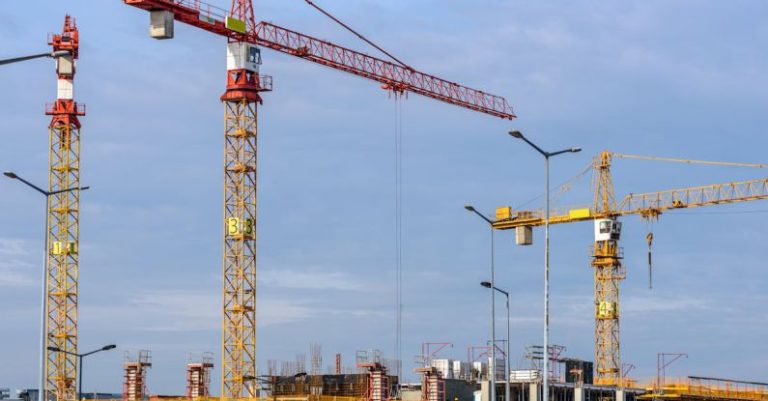
One of the biggest logistical challenges in high-rise construction is transporting materials and equipment to the upper floors of the building. This often requires the use of specialized machinery, such as cranes and hoists, to lift heavy loads to great heights. Additionally, coordinating the workflow of different construction teams, such as concrete workers, steel erectors, and facade installers, is essential to ensure that the project stays on schedule and within budget.
Safety Considerations in High-rise Construction
Safety is a top priority in any construction project, but it becomes even more critical in high-rise construction due to the increased risks associated with working at height. Ensuring the safety of workers and the public during the construction of tall buildings requires strict adherence to safety regulations and protocols.
Fall protection systems, such as guardrails and safety nets, are essential in high-rise construction to prevent accidents and injuries. Training workers on proper safety procedures and providing them with the necessary personal protective equipment are also crucial steps in maintaining a safe work environment on a high-rise construction site.
Opportunities for Innovation in High-rise Construction
While high-rise construction presents its fair share of challenges, it also offers numerous opportunities for innovation and advancement in the construction industry. The demand for sustainable and energy-efficient buildings has spurred the development of new technologies and building practices that aim to reduce the environmental impact of high-rise construction.
One such opportunity lies in the integration of renewable energy systems, such as solar panels and wind turbines, into high-rise buildings to generate clean energy and reduce reliance on traditional power sources. The use of modular construction techniques, where building components are prefabricated off-site and assembled on-site, also presents an opportunity to streamline the construction process and minimize waste.
In conclusion, high-rise construction is a dynamic and ever-evolving sector of the construction industry that offers both challenges and opportunities for architects, engineers, and builders. By embracing innovation and adopting sustainable practices, the future of high-rise construction looks promising as cities continue to grow and develop vertically.