Evaluating New Construction Homes: Buyer’s Checklist
Purchasing a new construction home is an exciting prospect for many prospective buyers. The idea of being the first to inhabit a freshly built property can be incredibly appealing. However, before diving headfirst into the world of new construction, it’s essential to approach the process with a discerning eye. To ensure that you are making a sound investment and choosing a home that meets your needs, it is crucial to have a buyer’s checklist in place. This checklist will help you evaluate new construction homes thoroughly and make an informed decision that you can be confident in.
Location and Neighborhood
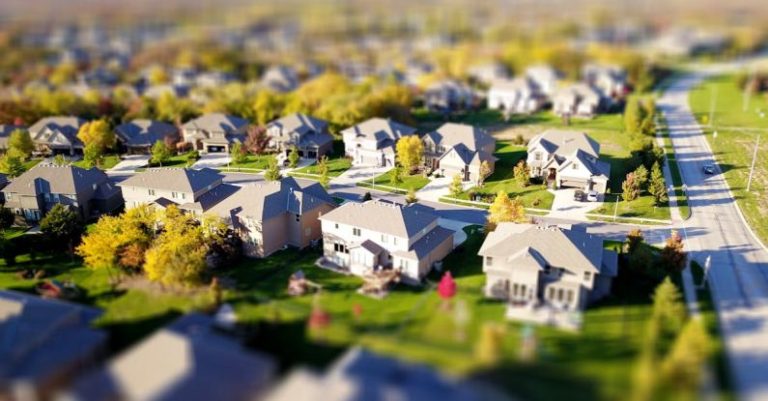
When considering a new construction home, one of the first things to evaluate is the location. Take a close look at the neighborhood where the property is situated. Consider factors such as proximity to schools, shopping centers, parks, and other amenities that are important to you. Additionally, assess the overall feel of the neighborhood and determine whether it aligns with your lifestyle and preferences.
Builder’s Reputation and Track Record
Before committing to a new construction home, research the builder’s reputation and track record. Look into their past projects, read reviews from previous clients, and check if there have been any complaints or legal issues associated with their work. A reputable builder with a solid track record is more likely to deliver a high-quality home that meets your expectations.
Floor Plan and Design
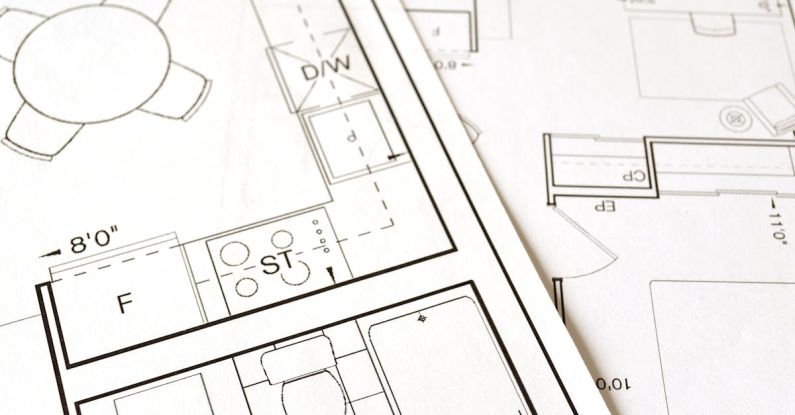
Examine the floor plan and design of the new construction home carefully. Consider whether the layout suits your lifestyle and preferences. Assess the size and functionality of each room, the flow of the living spaces, and the overall design aesthetic. Make sure that the home’s design meets your needs and allows for flexibility in terms of future adjustments or renovations.
Quality of Construction Materials
Pay close attention to the quality of construction materials used in the new home. Inspect the finishes, fixtures, and appliances to ensure that they are of good quality and built to last. High-quality materials not only enhance the aesthetic appeal of the home but also contribute to its durability and long-term value.
Energy Efficiency and Sustainability
In today’s environmentally conscious world, energy efficiency and sustainability are important considerations when evaluating new construction homes. Look for features such as energy-efficient appliances, insulation, windows, and HVAC systems that can help reduce utility costs and minimize your environmental footprint. Additionally, inquire about any green building certifications or sustainable practices implemented in the construction of the home.
Warranty and After-Sales Service
Check the warranty offered by the builder and inquire about the after-sales service provided. A comprehensive warranty can give you peace of mind knowing that any potential issues with the home will be addressed promptly and at no additional cost. Additionally, good after-sales service ensures that you will receive support and assistance from the builder even after you have moved into your new home.
Budget and Financing Options
Evaluate your budget and financing options carefully before purchasing a new construction home. Consider not only the purchase price of the property but also additional costs such as closing fees, property taxes, and homeowners association fees. Explore different financing options and mortgage rates to find the best deal that fits your financial situation.
Making an Informed Decision
By following this buyer’s checklist, you can evaluate new construction homes thoroughly and make an informed decision that aligns with your needs and preferences. Remember that purchasing a new construction home is a significant investment, and taking the time to assess all aspects of the property will help you make a sound decision that you can enjoy for years to come.