How Climate Change Is Influencing Real Estate Values
Climate Change Impact on Real Estate Values
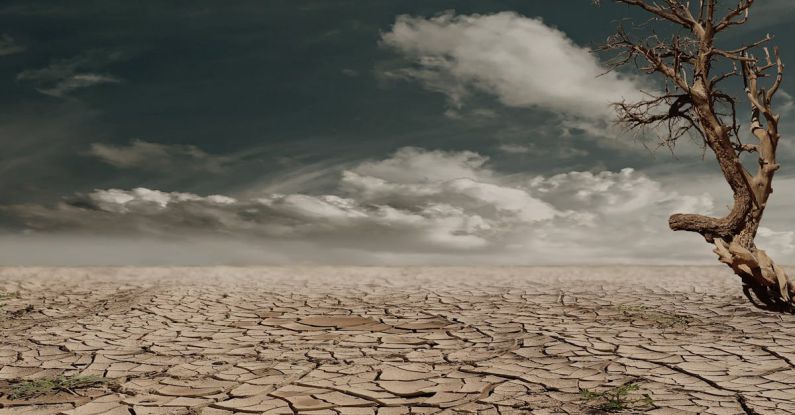
Climate change is a global phenomenon that is transforming the way we live, work, and even invest in real estate. The effects of climate change are becoming increasingly evident, with rising sea levels, extreme weather events, and shifting weather patterns. These changes are not only impacting the environment but are also influencing the value of real estate properties around the world.
Rising Sea Levels and Coastal Properties
One of the most significant impacts of climate change on real estate values is the rising sea levels. As sea levels continue to rise, coastal properties are becoming more vulnerable to flooding and erosion. This increased risk of damage from storms and flooding is causing a shift in the desirability of coastal properties. Homebuyers and investors are becoming more cautious about purchasing properties in high-risk coastal areas, leading to a decrease in property values in these regions.
Insurance Costs and Property Values
Another way that climate change is influencing real estate values is through insurance costs. As the frequency and severity of extreme weather events increase, insurance companies are raising premiums for properties in areas prone to natural disasters. This increase in insurance costs is making it more expensive to own and maintain properties in high-risk areas, which in turn is affecting the market value of these properties. Homebuyers and investors are factoring in the higher insurance costs when determining the value of a property, leading to a decrease in property values in these regions.
Energy Efficiency and Property Values
In response to the growing concern over climate change, there is a rising demand for energy-efficient properties. Homebuyers and investors are increasingly looking for properties that are environmentally friendly and energy-efficient to reduce their carbon footprint and utility costs. Properties with energy-efficient features such as solar panels, energy-efficient appliances, and insulation are commanding higher prices in the real estate market. As the demand for energy-efficient properties continues to rise, the value of these properties is expected to increase further, making them a more attractive investment option for buyers.
Urban Heat Islands and Property Values
Urban heat islands are metropolitan areas with significantly higher temperatures than their surrounding rural areas due to human activities and infrastructure. As climate change intensifies, the impact of urban heat islands on real estate values is becoming more pronounced. Properties located in urban heat islands are experiencing higher temperatures, which can lead to increased cooling costs and reduced comfort for residents. Homebuyers and investors are becoming more aware of the negative effects of urban heat islands on property value, leading to a decrease in demand for properties in these areas. As a result, property values in urban heat islands are expected to decline as buyers seek out cooler and more sustainable locations.
Conclusion: Investing in a Changing Climate
In conclusion, the effects of climate change on real estate values are becoming increasingly apparent as the world grapples with rising temperatures, extreme weather events, and environmental degradation. Homebuyers and investors are starting to consider the long-term impacts of climate change when making real estate decisions, leading to shifts in property values across different regions. As climate change continues to shape the real estate market, it is essential for buyers and investors to consider the environmental risks and opportunities associated with their property investments. By staying informed and adapting to the changing climate, individuals can make more informed decisions that not only benefit them financially but also contribute to a more sustainable and resilient future.