Integrating Smart Home Technology in New Developments
In today’s rapidly advancing technological landscape, smart home technology has become more prominent, revolutionizing the way we live in our homes. As new developments continue to reshape urban and suburban areas, the integration of smart home technology has become a key feature in creating modern, efficient, and convenient living spaces. From energy efficiency to enhanced security and comfort, the benefits of incorporating smart home technology in new developments are undeniable.
Enhancing Efficiency with Smart Home Technology
One of the primary advantages of integrating smart home technology in new developments is the significant increase in energy efficiency. Smart thermostats, lighting systems, and appliances allow homeowners to monitor and control their energy usage in real-time, leading to reduced energy consumption and lower utility bills. By automating heating, cooling, and lighting systems, smart home technology helps optimize energy usage based on occupancy and preferences, ultimately promoting a more sustainable and eco-friendly living environment.
Improved Security and Safety Features
Security is a top priority for homeowners, and smart home technology offers a wide range of features to enhance safety and peace of mind. Smart security cameras, doorbells, and smart locks provide homeowners with remote access to their homes, allowing them to monitor activities and control access from anywhere. Additionally, integrated smart smoke detectors, carbon monoxide sensors, and water leak detectors offer early warnings and alerts to prevent potential hazards, ensuring the safety of residents and their properties.
Convenience and Comfort at Your Fingertips
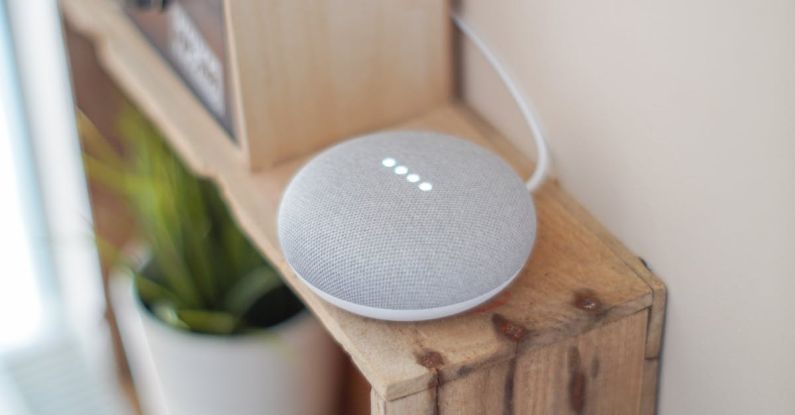
The convenience and comfort provided by smart home technology play a significant role in enhancing the overall living experience in new developments. Voice-controlled assistants, automated blinds, and smart entertainment systems create a seamless and personalized living environment tailored to the preferences of homeowners. With the ability to control various aspects of their homes through a smartphone or voice commands, residents can enjoy a more comfortable and convenient lifestyle that adapts to their needs and routines.
Future-Proofing New Developments
Incorporating smart home technology in new developments not only offers immediate benefits to homeowners but also future-proofs the properties for upcoming technological advancements. As the Internet of Things (IoT) continues to evolve, smart home devices and systems can be easily updated and expanded to integrate new features and functionalities. This flexibility ensures that new developments remain relevant and competitive in the ever-changing real estate market, appealing to tech-savvy buyers seeking modern and innovative living spaces.
Embracing Sustainable Living Practices
Smart home technology plays a crucial role in promoting sustainable living practices by enabling homeowners to make informed decisions about their energy usage and environmental impact. From smart irrigation systems that optimize water consumption to energy-efficient appliances that reduce electricity usage, smart home technology empowers residents to live more sustainably without compromising on comfort or convenience. By integrating sustainable features into new developments, developers contribute to creating environmentally conscious communities that prioritize resource efficiency and conservation.
Creating a Connected Living Experience
The integration of smart home technology in new developments goes beyond individual devices and systems, creating a connected ecosystem that enhances the overall living experience. By interconnecting various smart devices and sensors, residents can enjoy a seamless and integrated living environment where different systems work together to optimize comfort, security, and efficiency. This interconnectedness fosters a sense of community and collaboration among residents, promoting a shared commitment to embracing technology for a better quality of life.
Innovating the Future of Real Estate
As the demand for smart homes continues to rise, developers and builders are recognizing the importance of integrating smart home technology in new developments to meet the evolving needs and expectations of homebuyers. By embracing innovation and technology, new developments can offer a modern and sophisticated living experience that sets them apart in a competitive market. From energy efficiency and security to convenience and sustainability, smart home technology is reshaping the future of real estate and redefining the way we live in our homes.
In conclusion, the integration of smart home technology in new developments represents a significant shift towards more efficient, secure, and connected living spaces. By leveraging the latest advancements in technology, developers can create modern and innovative properties that cater to the needs and preferences of today’s homeowners. From enhancing energy efficiency and security to promoting sustainability and convenience, smart home technology is revolutionizing the way we experience and interact with our homes, setting a new standard for the future of real estate.