Luxury Real Estate Market: Current Trends and Predictions
The luxury real estate market is an ever-evolving sector that reflects the changing tastes and preferences of high-end buyers. In recent years, this segment of the real estate industry has seen significant shifts in trends and patterns, driven by factors such as economic conditions, global events, and evolving consumer behavior. Understanding these trends and making accurate predictions is crucial for stakeholders in the luxury real estate market to stay ahead of the curve and capitalize on emerging opportunities.
Market Resilience Amidst Global Uncertainty
Despite the challenges posed by the global pandemic and economic uncertainties, the luxury real estate market has shown remarkable resilience. High-net-worth individuals continue to invest in premium properties, seeking stability and long-term value. The allure of luxury real estate as a safe haven asset class has only strengthened in the face of market volatility and geopolitical risks.
Shift Towards Sustainable and Wellness-focused Properties
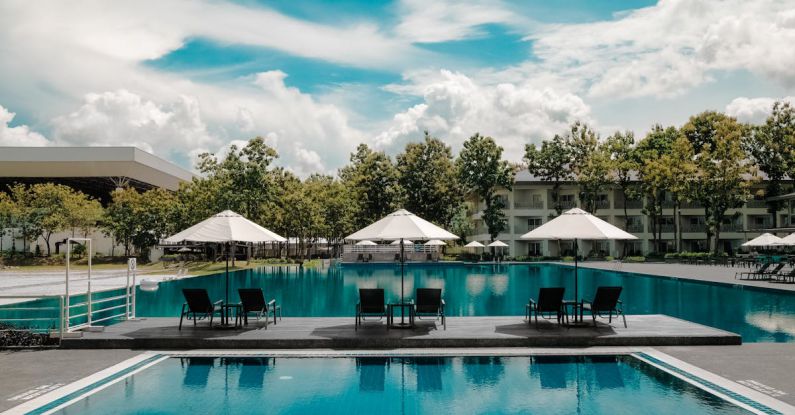
One notable trend in the luxury real estate market is the increasing demand for sustainable and wellness-focused properties. Discerning buyers are placing a premium on eco-friendly features, energy-efficient designs, and amenities that promote health and well-being. Developers and architects are responding to this trend by incorporating green technologies, natural materials, and wellness amenities such as spas, yoga studios, and outdoor spaces designed for relaxation and rejuvenation.
Rise of Smart Homes and Technology Integration
Another major trend shaping the luxury real estate market is the growing emphasis on smart homes and technology integration. High-end buyers are increasingly seeking properties equipped with cutting-edge smart home systems that offer convenience, security, and energy efficiency. From smart lighting and climate control to integrated security systems and home automation, technology is playing a key role in enhancing the luxury living experience.
Urban Revival and Suburban Retreats
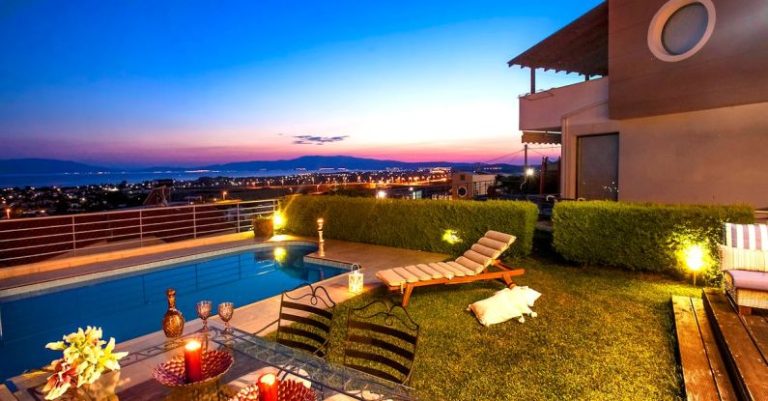
The ongoing urban revival trend has influenced the luxury real estate market, with prime urban locations experiencing renewed interest from affluent buyers. Proximity to cultural amenities, dining options, and vibrant city life remains a key attraction for luxury homebuyers. At the same time, there is a notable shift towards suburban retreats, driven by the desire for more space, privacy, and access to nature. Suburban luxury properties offering expansive estates, panoramic views, and outdoor recreational facilities are becoming increasingly popular among high-net-worth individuals seeking a tranquil retreat from city life.
Globalization of Luxury Real Estate
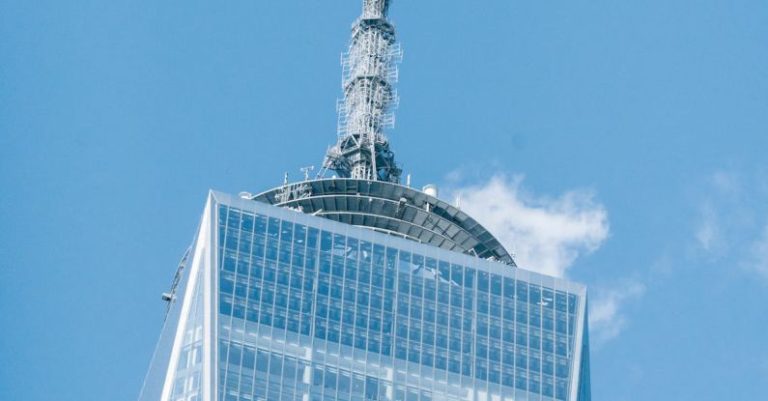
The luxury real estate market is becoming increasingly globalized, with high-net-worth individuals investing in properties across different regions and countries. International buyers are drawn to cosmopolitan cities with prestigious real estate markets, such as New York, London, Hong Kong, and Dubai. The rise of digital platforms and virtual tours has made it easier for global buyers to explore and purchase luxury properties remotely, transcending geographical boundaries and offering a seamless buying experience.
Predictions for the Future of Luxury Real Estate
Looking ahead, several key trends are expected to shape the future of the luxury real estate market. Sustainability will continue to be a driving force, with an emphasis on eco-friendly designs, green technologies, and energy-efficient features becoming standard in luxury properties. Wellness-focused amenities will also gain prominence, with properties offering state-of-the-art wellness facilities and outdoor spaces designed for relaxation and recreation.
The integration of smart home technologies will become increasingly sophisticated, with properties featuring advanced automation systems, artificial intelligence, and seamless connectivity. Urban centers will remain desirable for luxury living, with a focus on mixed-use developments that offer a blend of residential, commercial, and recreational amenities. Suburban and rural properties will continue to appeal to buyers seeking space, privacy, and a connection to nature.
In conclusion, the luxury real estate market is a dynamic and evolving sector that reflects the changing preferences and lifestyles of high-net-worth individuals. By staying attuned to current trends and making informed predictions about the future direction of the market, stakeholders can position themselves for success in this competitive landscape. Embracing sustainability, wellness, technology, and global perspectives will be key to thriving in the luxury real estate market of tomorrow.