Planning and Executing Large-scale Development Projects
Large-scale development projects are complex undertakings that require meticulous planning and flawless execution to ensure success. Whether it’s building a new infrastructure, launching a new product, or expanding an existing facility, the key to achieving desired outcomes lies in effective project management strategies. In this article, we will delve into the essential elements of planning and executing large-scale development projects.
Understanding the Scope of the Project
Before embarking on any large-scale development project, it is crucial to have a clear understanding of the project’s scope. This involves defining the project objectives, deliverables, timelines, and budget constraints. By establishing a comprehensive scope, project managers can set realistic goals, allocate resources efficiently, and minimize the risk of scope creep. Effective scope management is essential for keeping the project on track and ensuring that all stakeholders are aligned on the project’s goals and expectations.
Building a Strong Project Team
One of the most critical factors in the success of any large-scale development project is the composition of the project team. A strong team with the right mix of skills, expertise, and experience is essential for overcoming challenges, driving innovation, and delivering results. Project managers should carefully select team members based on their qualifications and abilities, ensuring that each team member is aligned with the project’s goals and committed to its success. Building a cohesive and collaborative team is key to fostering a positive work environment and enhancing productivity throughout the project lifecycle.
Developing a Detailed Project Plan
Once the project scope is defined and the team is in place, the next step is to develop a detailed project plan. A well-structured project plan serves as a roadmap for the project, outlining the tasks, milestones, dependencies, and timelines required for successful project completion. Project managers should break down the project into manageable phases, assign responsibilities to team members, and establish clear communication channels to keep stakeholders informed of progress. Regularly reviewing and updating the project plan is essential for adapting to changing circumstances and mitigating risks as the project progresses.
Managing Risks and Uncertainties
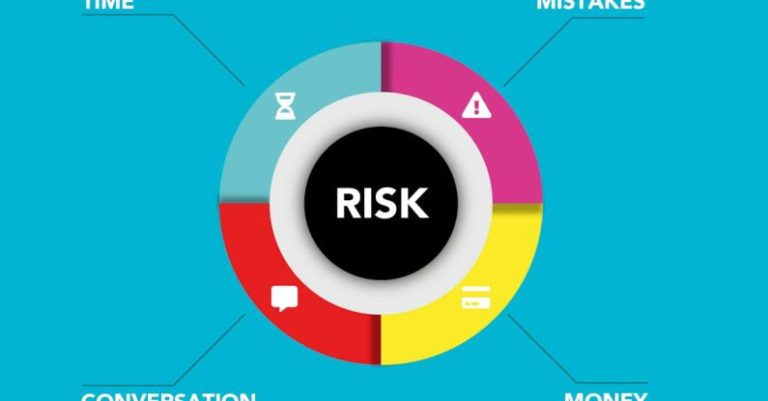
Large-scale development projects are inherently risky endeavors, with numerous variables and uncertainties that can impact project outcomes. Effective risk management is essential for identifying potential threats, assessing their likelihood and impact, and developing mitigation strategies to minimize their effects. Project managers should conduct thorough risk assessments at various stages of the project and implement proactive measures to address potential risks before they escalate. By anticipating and addressing risks early on, project teams can enhance project resilience and increase the likelihood of project success.
Monitoring Progress and Performance
Continuous monitoring of project progress and performance is essential for tracking key metrics, evaluating outcomes, and identifying areas for improvement. Project managers should establish clear performance indicators and reporting mechanisms to measure progress against project goals and objectives. Regular project reviews and status updates allow project teams to identify bottlenecks, address issues promptly, and make informed decisions to keep the project on course. By maintaining a proactive approach to monitoring progress and performance, project managers can ensure that the project stays on schedule, within budget, and meets stakeholder expectations.
Effective Communication and Stakeholder Engagement
Clear and open communication is vital for the success of large-scale development projects, as it fosters collaboration, alignment, and transparency among project stakeholders. Project managers should establish effective communication channels, provide regular updates to stakeholders, and solicit feedback to ensure that everyone is informed and engaged throughout the project lifecycle. Engaging with stakeholders early and frequently allows project teams to address concerns, manage expectations, and build trust, leading to better project outcomes and stakeholder satisfaction.
Adapting to Change and Challenges
In the dynamic landscape of large-scale development projects, change is inevitable, and challenges are bound to arise. Project managers must be flexible, adaptable, and resilient in the face of unexpected obstacles, adjusting plans and strategies as needed to overcome challenges and stay on track. By fostering a culture of continuous improvement and embracing change as an opportunity for growth, project teams can navigate uncertainties, seize new opportunities, and drive innovation throughout the project lifecycle.
Sustaining Success Beyond Project Completion
As the project nears completion, it is essential to plan for a smooth transition to ensure that project outcomes are sustained over the long term. This involves documenting lessons learned, capturing best practices, and transferring knowledge to relevant stakeholders to enable ongoing success beyond the project’s conclusion. By fostering a culture of continuous learning and improvement, project teams can leverage their experiences to inform future projects, enhance organizational capabilities, and drive sustainable growth and innovation.
In conclusion, planning and executing large-scale development projects require a strategic approach, effective leadership, and a commitment to excellence. By understanding the project scope, building a strong project team, developing a detailed project plan, managing risks, monitoring progress, and engaging stakeholders, project managers can navigate complexities, overcome challenges, and deliver successful outcomes. By embracing change, fostering collaboration, and sustaining success beyond project completion, project teams can drive innovation, create value, and achieve lasting impact in today’s competitive business environment.