The Future of Office Spaces after the Pandemic
The COVID-19 pandemic has had a profound impact on how we work, with remote work becoming the norm for many employees around the world. As we slowly transition back to a post-pandemic world, the future of office spaces is being reimagined to accommodate the new ways of working that have emerged during this time.
Rise of Hybrid Work Models
One of the most significant shifts in the post-pandemic office space is the rise of hybrid work models. Many companies have realized the benefits of remote work, such as increased flexibility and productivity, and are now considering a hybrid approach that combines remote work with in-person collaboration. This shift will likely lead to a decrease in the demand for traditional office spaces as employees split their time between working from home and the office.
Flexible Workspaces
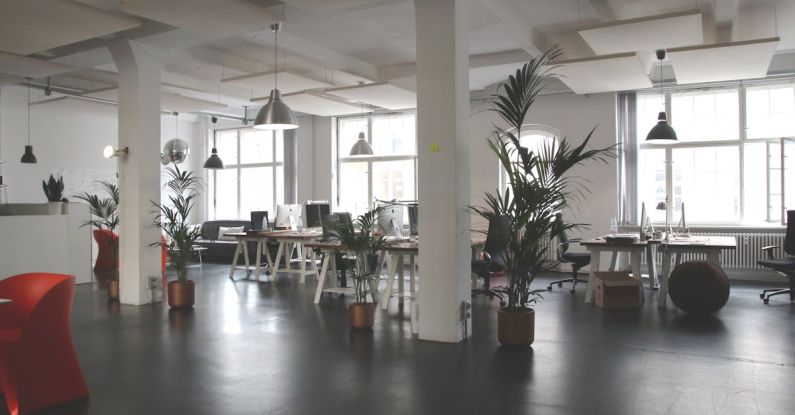
With the rise of hybrid work models, the need for flexible workspaces is more important than ever. Office spaces will need to be adaptable to accommodate varying numbers of employees on any given day, as well as provide spaces for both collaborative work and individual focus. This may mean moving away from assigned desks and offices towards a more open and flexible layout that can be easily reconfigured as needed.
Emphasis on Health and Safety
The pandemic has highlighted the importance of health and safety in the workplace, leading to a greater emphasis on creating spaces that prioritize the well-being of employees. This may include implementing touchless technology, increasing ventilation systems, and incorporating more outdoor spaces into office design. Additionally, companies may need to rethink shared spaces such as meeting rooms and kitchens to ensure that they are safe and hygienic for employees to use.
Enhanced Technology Integration
As remote work becomes more prevalent, the integration of technology into office spaces will become increasingly important. Offices will need to be equipped with the latest technology to support virtual meetings, collaboration tools, and seamless communication between in-person and remote employees. This may mean investing in high-quality video conferencing equipment, digital whiteboards, and other tools that facilitate virtual collaboration.
Focus on Employee Well-being
The pandemic has taken a toll on the mental health and well-being of many employees, leading to a greater focus on creating office spaces that support employee well-being. This may include incorporating more natural light, green spaces, and areas for relaxation and mindfulness into office design. Companies may also offer wellness programs and resources to support the physical and mental health of their employees.
Embracing Sustainability
In the wake of the pandemic, there is a growing awareness of the need to prioritize sustainability in all aspects of our lives, including the design of office spaces. Companies are increasingly looking for ways to reduce their environmental footprint and create more eco-friendly workplaces. This may involve using sustainable materials, implementing energy-efficient systems, and promoting practices such as recycling and composting within the office.
Conclusion: A New Era of Office Spaces
As we look towards the future of office spaces after the pandemic, it is clear that the traditional office environment is undergoing a transformation. The rise of hybrid work models, flexible workspaces, and a greater emphasis on health and safety are shaping the way we think about the office of the future. By embracing these changes and focusing on employee well-being, technology integration, and sustainability, companies can create work environments that are not only safe and productive but also supportive of the evolving needs of their workforce in this new era of work.