The Impact of Globalization on Construction and Development
Globalization has significantly influenced the construction and development sector, shaping the way projects are conceived, planned, and executed. This interconnected world has brought about both challenges and opportunities for stakeholders in the industry.
**Economic Integration and Market Expansion**
One of the key impacts of globalization on construction and development is the economic integration of markets. With advancements in technology and transportation, companies can now easily access a global pool of resources and labor, leading to increased competition and efficiency. This has enabled construction firms to expand their operations internationally, tapping into new markets and diversifying their portfolios. As a result, we see a rise in cross-border partnerships and collaborations, fostering innovation and knowledge exchange within the industry.
**Technological Advancements and Digital Transformation**
Globalization has also driven technological advancements in the construction sector, revolutionizing traditional practices and processes. The adoption of Building Information Modeling (BIM), drones, and other digital tools has improved project efficiency, accuracy, and sustainability. These technologies have enabled stakeholders to collaborate in real-time, streamline communication, and optimize construction workflows. Furthermore, the integration of smart technology in buildings has enhanced energy efficiency, safety, and overall performance, catering to the demands of a globalized market.
**Environmental Sustainability and Green Practices**
In response to the growing concerns over climate change and environmental degradation, globalization has led to a greater emphasis on sustainability in construction and development projects. Green building practices, such as the use of renewable materials, energy-efficient design, and waste reduction, have become mainstream as companies strive to meet international standards and regulations. Globalization has facilitated the exchange of best practices and knowledge sharing on sustainable construction techniques, driving the industry towards a more environmentally conscious future.
**Cultural Diversity and Design Innovation**
The interconnected nature of the globalized world has also influenced the design and architecture of construction projects. Cultural diversity and cross-cultural exchanges have inspired architects and designers to incorporate elements from different traditions and styles, creating unique and innovative structures that reflect the globalized society we live in. This fusion of ideas and aesthetics has resulted in iconic buildings that serve as symbols of unity and diversity, showcasing the beauty of cultural exchange in the construction industry.
**Supply Chain Resilience and Risk Management**
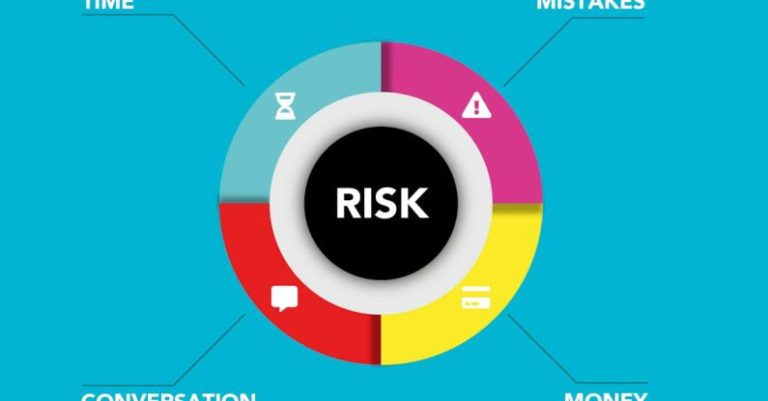
Globalization has exposed the construction sector to new challenges, such as supply chain disruptions and geopolitical risks. The reliance on international suppliers and contractors has made projects vulnerable to factors beyond their control, such as trade disputes, natural disasters, and political instability. As a result, stakeholders in the industry are increasingly focusing on supply chain resilience and risk management strategies to mitigate potential disruptions and safeguard project timelines and budgets. This has led to the diversification of suppliers, the adoption of contingency plans, and the implementation of robust risk assessment frameworks to ensure project success in an uncertain global environment.
**The Future of Globalized Construction and Development**
As we look towards the future, the impact of globalization on the construction and development sector will continue to evolve. With rapid urbanization, increasing digitalization, and shifting market dynamics, stakeholders will need to adapt to new challenges and opportunities in a globalized world. Collaboration, innovation, and sustainability will remain key drivers of success in the industry, shaping the way we build and develop the world around us. By embracing the interconnected nature of the globalized economy, construction firms can leverage new technologies, practices, and partnerships to create a more resilient, efficient, and sustainable built environment for future generations.