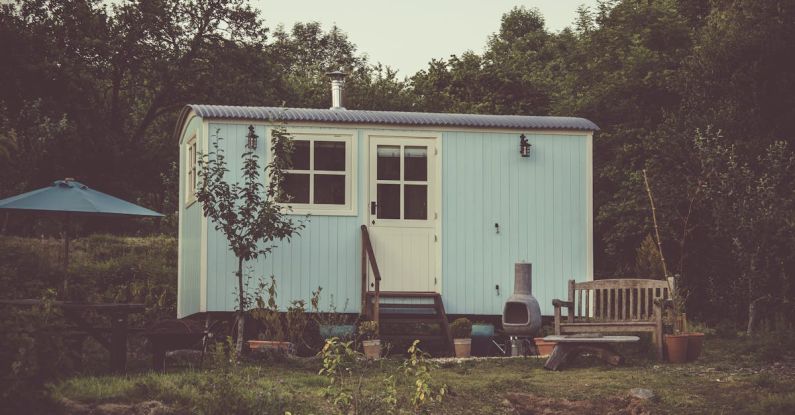
The Growing Popularity of Tiny Homes and Micro-apartments
In recent years, there has been a notable rise in the popularity of tiny homes and micro-apartments. These compact living spaces have captured the interest of individuals seeking simplicity, affordability, and sustainability. From urban dwellers looking to minimize their ecological footprint to those desiring a more minimalist lifestyle, the appeal of tiny homes and micro-apartments is undeniable. Let’s delve into the reasons behind this growing trend and explore the unique advantages these small living spaces offer.
**Maximizing Space and Efficiency**
One of the primary draws of tiny homes and micro-apartments is their ability to maximize space and efficiency. With clever design features such as built-in storage solutions, multi-functional furniture, and innovative layouts, these small dwellings make the most of every square foot. By prioritizing functionality and organization, residents can live comfortably in a smaller footprint without sacrificing comfort or convenience. This emphasis on efficiency appeals to individuals who value a clutter-free and streamlined living environment.
**Affordability and Financial Freedom**
Another significant factor driving the popularity of tiny homes and micro-apartments is their affordability. In a time when housing costs are on the rise, these compact living spaces offer a more budget-friendly alternative for those looking to own or rent a home. With lower upfront costs, reduced utility expenses, and minimal maintenance requirements, tiny homes and micro-apartments provide financial freedom and flexibility to their occupants. This affordability opens up new possibilities for individuals who may have been priced out of conventional housing options.
**Sustainability and Eco-Friendly Living**
Tiny homes and micro-apartments are often designed with sustainability in mind, making them an attractive choice for environmentally conscious individuals. These small living spaces typically have a smaller environmental footprint compared to traditional homes, requiring fewer resources to build and maintain. Additionally, their compact size encourages residents to adopt a more minimalist lifestyle, reducing consumption and waste. By living in a tiny home or micro-apartment, individuals can contribute to a more sustainable future while enjoying a simpler way of life.
**Flexibility and Mobility**
The flexibility and mobility offered by tiny homes and micro-apartments are also key factors driving their popularity. Unlike traditional homes, which are rooted to a specific location, these compact living spaces can be easily transported or relocated, providing residents with the freedom to move as needed. This flexibility is particularly appealing to those who value a nomadic lifestyle or wish to downsize without committing to a permanent residence. Whether used as a primary dwelling, a vacation home, or a rental property, tiny homes and micro-apartments offer a versatile housing solution for a variety of lifestyles.
**Community and Social Connection**
Despite their small size, tiny homes and micro-apartments can foster a strong sense of community and social connection among residents. Many developments featuring these compact living spaces are designed with shared amenities and communal spaces, encouraging interaction and collaboration among neighbors. This sense of community is highly valued by individuals seeking a more connected and supportive living environment. By living in close proximity to others, residents of tiny homes and micro-apartments have the opportunity to build relationships, share resources, and create a vibrant social network.
**Embracing Minimalism and Simplifying Life**
In a world filled with excess and distractions, the appeal of tiny homes and micro-apartments lies in their promotion of minimalism and simplicity. By downsizing and decluttering their living spaces, residents can focus on what truly matters to them, whether it be pursuing hobbies, spending time with loved ones, or engaging in meaningful activities. The minimalist lifestyle embraced by many tiny home and micro-apartment dwellers allows for greater clarity, intentionality, and fulfillment, leading to a more balanced and contented way of life.
**Embracing the Tiny Living Movement**
The growing popularity of tiny homes and micro-apartments reflects a broader cultural shift towards embracing simplicity, sustainability, and community. As more individuals seek alternatives to traditional housing models, the appeal of compact living spaces continues to grow. Whether driven by financial considerations, environmental concerns, or a desire for a more intentional lifestyle, the trend towards tiny homes and micro-apartments shows no signs of slowing down. By reimagining the way we live and challenging conventional notions of homeownership, tiny homes and micro-apartments offer a compelling vision for the future of housing.
In conclusion, the rise of tiny homes and micro-apartments represents a shift towards more sustainable, affordable, and community-oriented living options. By maximizing space and efficiency, promoting affordability and financial freedom, prioritizing sustainability and eco-friendly living, offering flexibility and mobility, fostering community and social connection, and embracing minimalism and simplicity, these compact living spaces provide a compelling alternative to traditional housing models. As the tiny living movement continues to gain momentum, it offers a glimpse into a future where living small is synonymous with living well.